In these lands, hard to reach because of the terrain, the horse was historically the main means of transport. This noble animal, together with donkeys and mules, helped people carry coffee and run the haciendas that today are modernized and open to tourism.
Even so, the bond with horses has remained and will remain forever in this landscape, as horses are a fundamental part of the cultural relationships and traditions of this region.
Today people ride more for pleasure than for work. The Coffee Cultural Landscape offers many beautiful horses for rides along challenging mountain stretches, trails and paths, so visitors can enjoy the scenery and the everyday life of the people in rural areas.
.
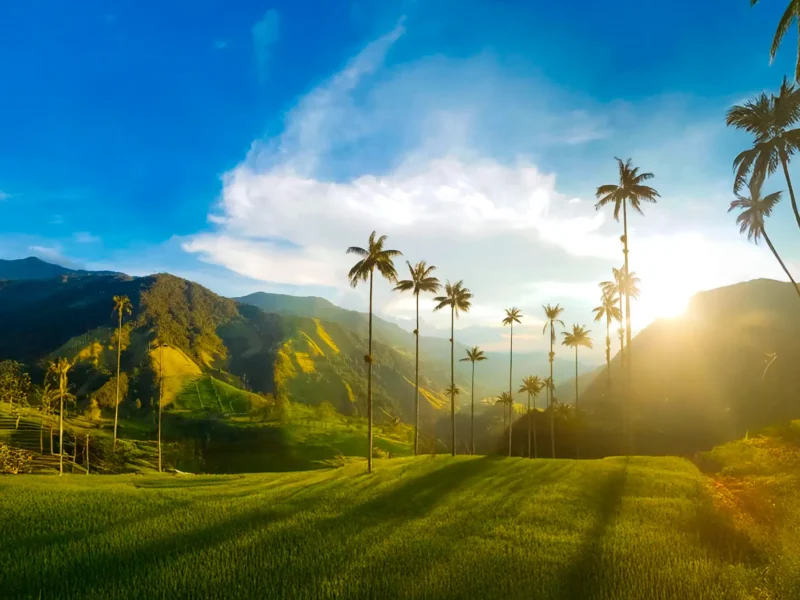
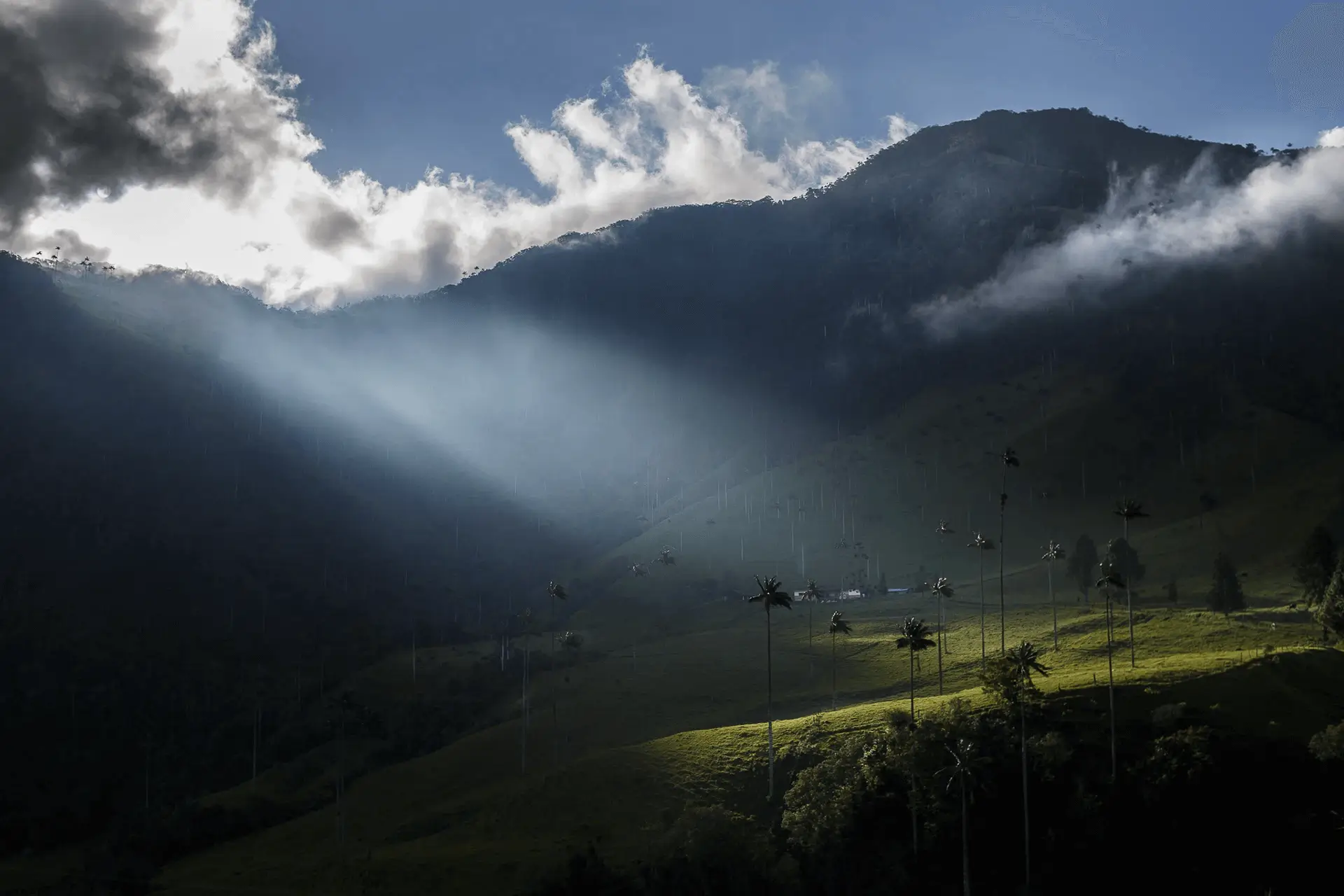
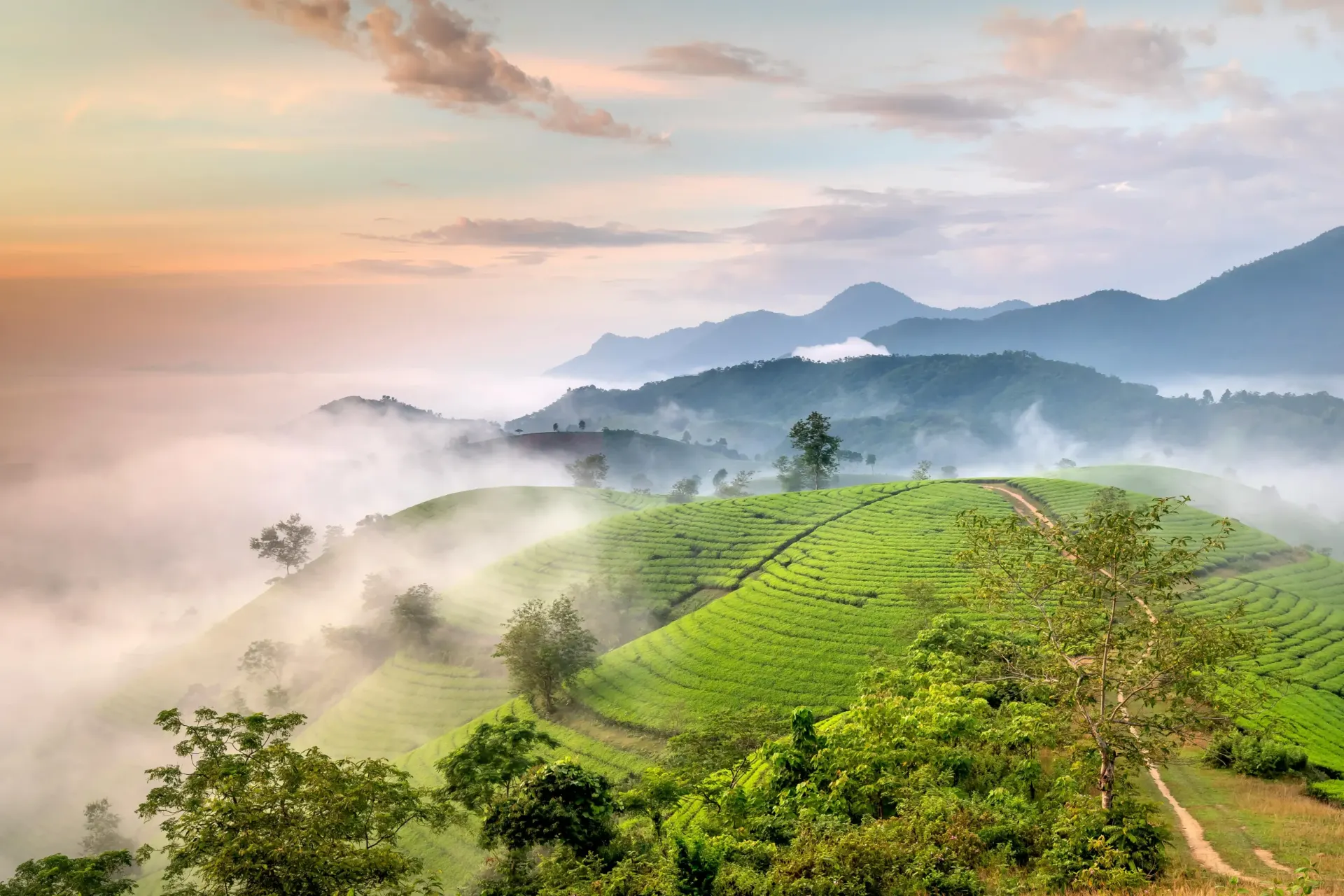
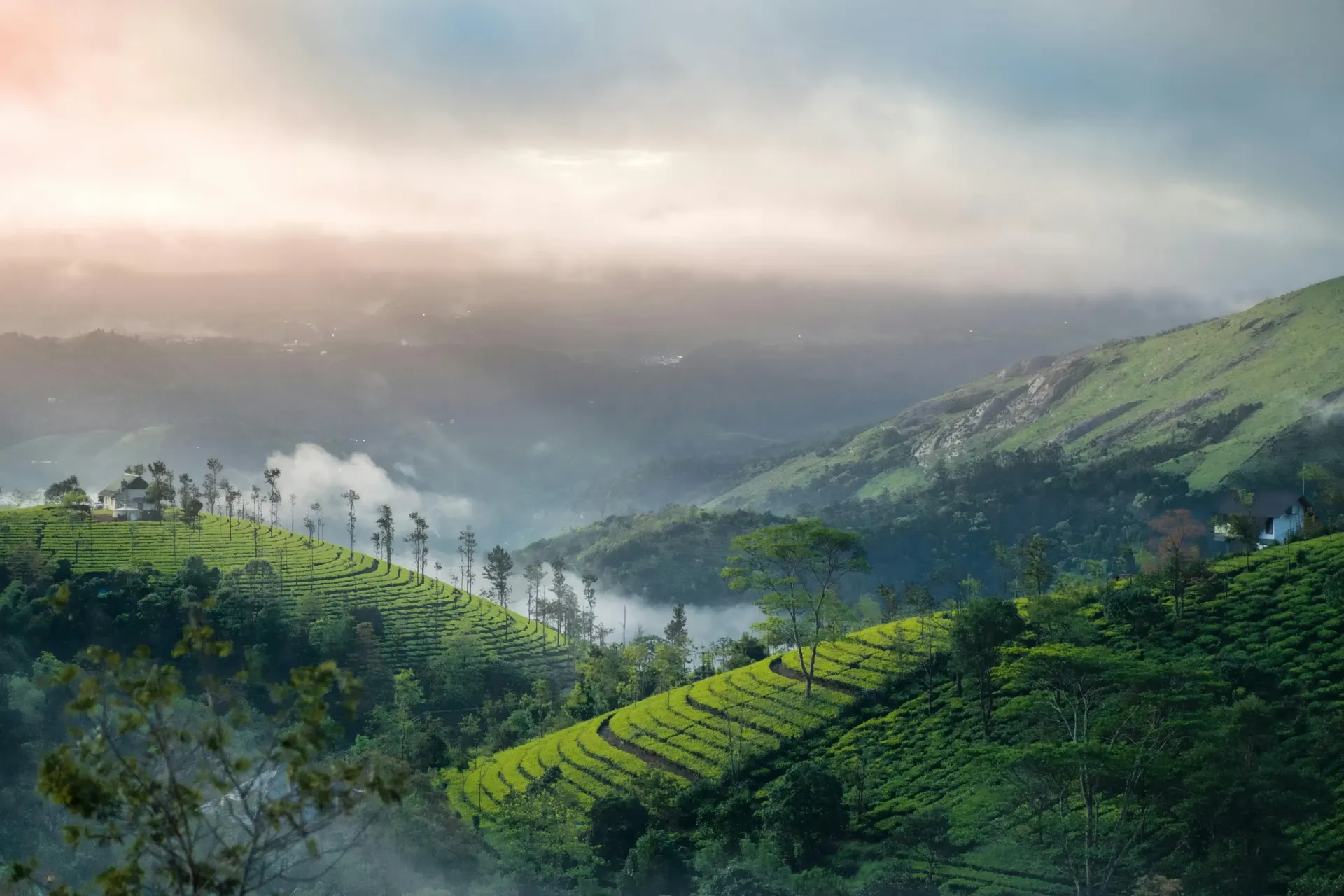
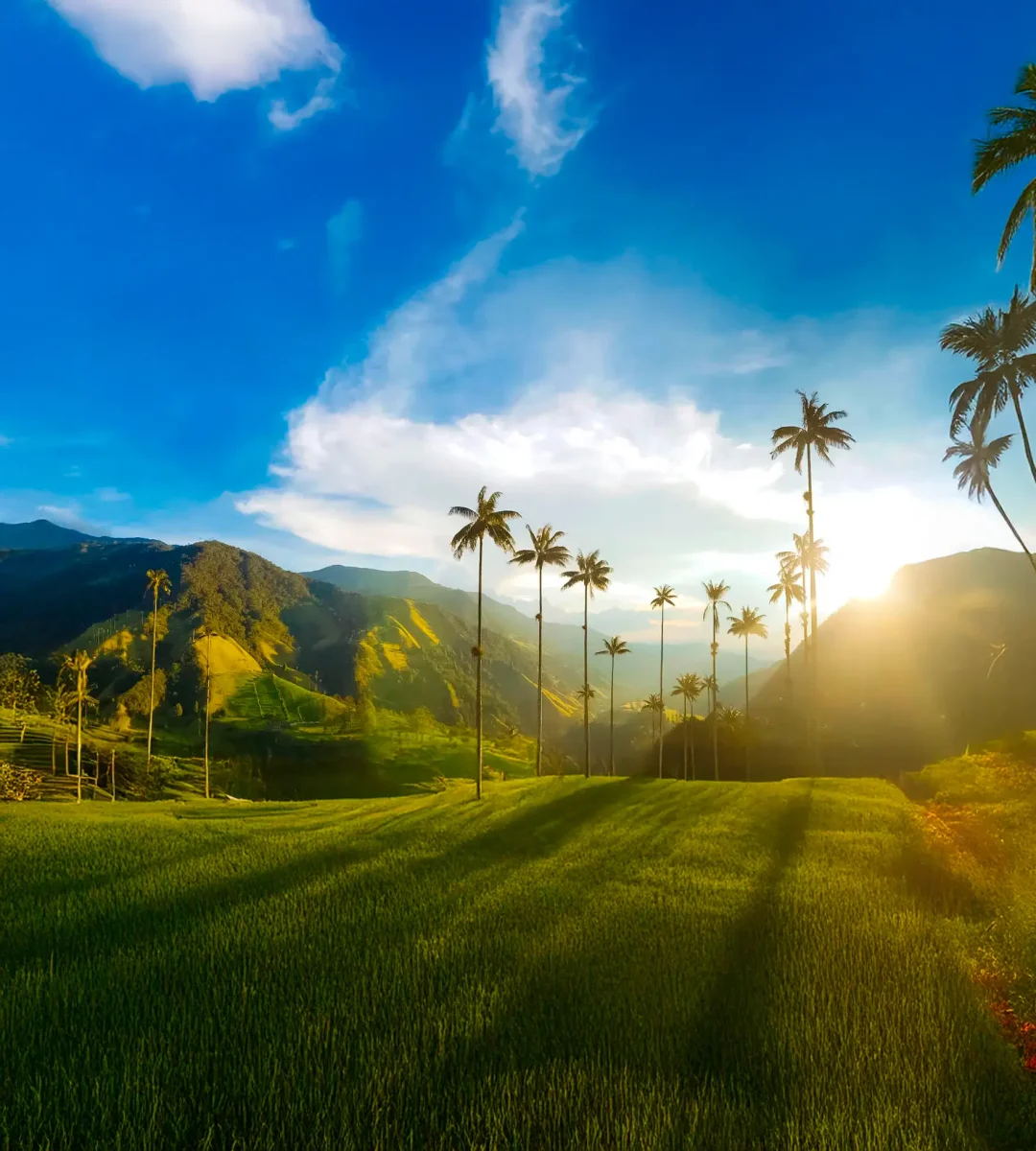
The Coffee Region is one of the most welcoming parts of Colombia. Among green mountains, towns with colorful balconies and traditional farms, this landscape was declared a UNESCO World Heritage Site in 2011.
With Siempre Colombia you explore Salento and Filandia, hike the Cocora Valley among the tallest wax palms in the world, learn the coffee process first-hand on a farm and relax in the Santa Rosa de Cabal hot springs. Our plans include accommodation, transfers, a guide and activities designed to enjoy the region at an easy pace.
It is an ideal destination for families, couples or friends, with a mild climate all year round. Tell us how you want to travel and we will build the perfect plan with you.
It is a region of Caldas, Quindío, Risaralda and northern Valle del Cauca, declared a UNESCO World Heritage Site in 2011 for its coffee tradition, towns and mountain landscapes.
There are direct flights from Bogotá to Pereira and Armenia, about one hour long. From there, transfers to Salento, the Cocora Valley and coffee farms are by road.
The Cocora Valley with its wax palms, Colombia's national tree; the towns of Salento and Filandia; a coffee farm visit to learn the coffee process; and the Santa Rosa de Cabal hot springs.
You can visit all year thanks to its mild climate, between 18 and 24 °C. To see the coffee harvest, the main harvest is roughly October to December and the smaller mitaca harvest April to June.
Comfortable layers, a waterproof jacket, walking shoes and a swimsuit for the hot springs.
Which currency to bring, ATMs, vaccines, what to pack, weather and advice from our team.